
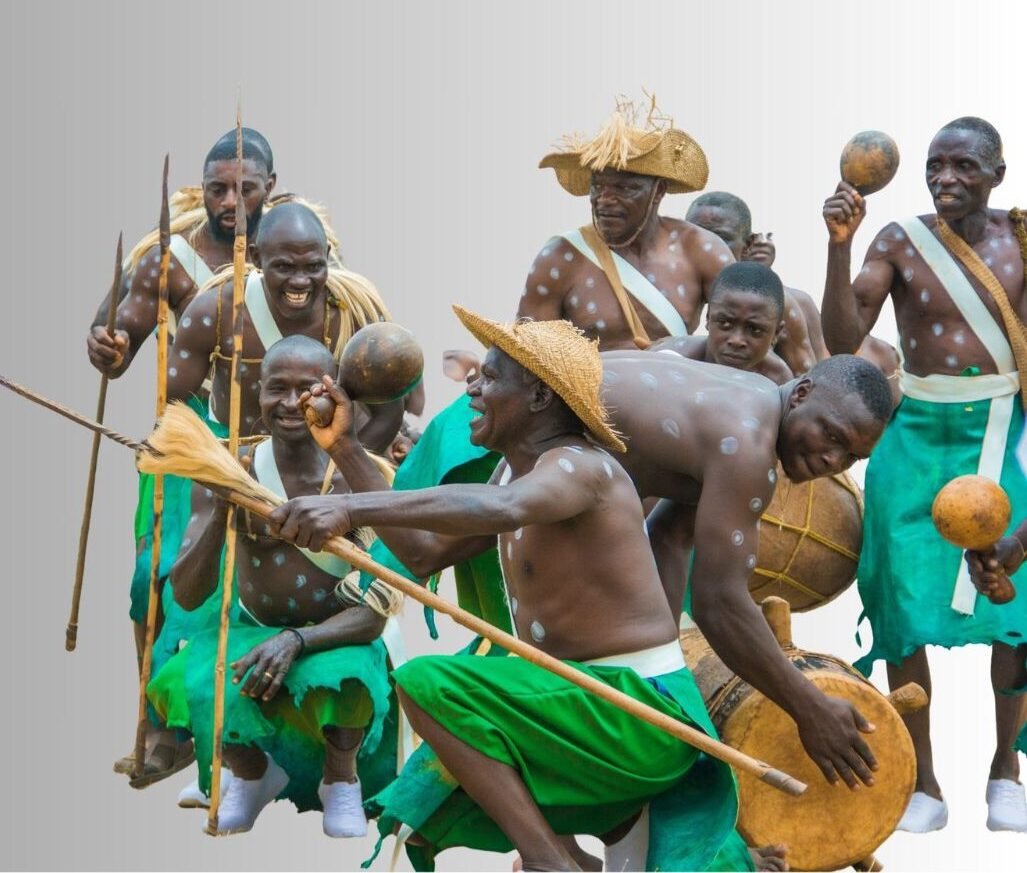
The Nahwai Festival of Ron (Bokkos), Plateau State
A Celebration of Identity, Memory, and Sacred Community
There are moments in a people’s history when the earth itself seems to speak. In the highlands of Ron land in Plateau State—particularly in Bokkos—the Nahwai Festival is one of those sacred moments. It is not merely a cultural event; it is a theological statement, a declaration that a people remember who they are.
🎉 What Is the Nahwai Festival?
The Nahwai Festival is an annual cultural celebration of the Ron people, one of the indigenous ethnic communities of Plateau State. Traditionally, it is tied to gratitude—gratitude for the land, for harvest, for communal peace, and for ancestral continuity. It gathers sons and daughters of Ron land from across Nigeria and the diaspora.
At its heart, Nahwai is about three things:
- Thanksgiving – A communal acknowledgment of God’s providence and the fruitfulness of the land.
- Unity – Reuniting families, clans, and generations.
- Identity Preservation – Passing culture, language, and values to the next generation.
In a world rushing toward cultural amnesia, Nahwai stands as resistance.
🥁 The Experience: Rhythm, Regalia, and Reverence
The festival grounds come alive with:
- Traditional drumming that echoes across the hills
- Cultural dances performed in vibrant woven attire
- Elders sharing oral histories
- Youth showcasing indigenous songs and poetry
- Display of local cuisine and crafts
Each dance is a story. Each drumbeat is memory coded in rhythm. Each costume carries the symbolism of lineage and dignity.
The Ron worldview sees land not merely as property but as inheritance—a sacred trust. That perspective aligns powerfully with the biblical theology of stewardship (Psalm 24:1). The Nahwai Festival, therefore, becomes more than performance—it becomes worship through culture.
🌍 Why Nahwai Matters Today
Plateau State has experienced seasons of social tension and insecurity. In such a context, cultural festivals like Nahwai are not trivial entertainment—they are instruments of healing and social cohesion.
Sociological research, such as Robert Putnam’s work on social capital (Bowling Alone), shows that communal rituals strengthen trust and civic bonds. In African contexts, festivals serve as indigenous mechanisms for reconciliation and identity formation.
Nahwai functions as:
- A platform for intergenerational dialogue
- A tool for peacebuilding
- A statement of resilience
- A cultural archive in motion
It reminds us that development without identity becomes rootless. And identity without moral grounding becomes tribalism. Nahwai holds both together—heritage and harmony.
✝️ Faith and Culture: A Redemptive Tension
For many Ron Christians, Nahwai is not pagan nostalgia; it is cultural affirmation purified by faith. As David Bosch argues in Transforming Mission, the gospel does not erase culture—it redeems and transforms it. Culture becomes a vessel, not a rival, to divine purpose.
When believers gather during Nahwai, they do so with discernment—celebrating what is good, rejecting what contradicts Christ, and elevating what builds community. This is contextual theology in action.
📍 A Call to the Next Generation
If you are Ron, Nahwai is your inheritance.
If you are Nigerian, Nahwai is your national treasure.
If you are African, Nahwai is your mirror.
In an age of digital noise and cultural dilution, festivals like Nahwai remind us that before globalization, there was localization; before the internet, there was the village square.
The hills of Bokkos still speak.
The drums still call.
The people still gather.
And every year, Nahwai declares:
We remember.
We belong.
We endure.